
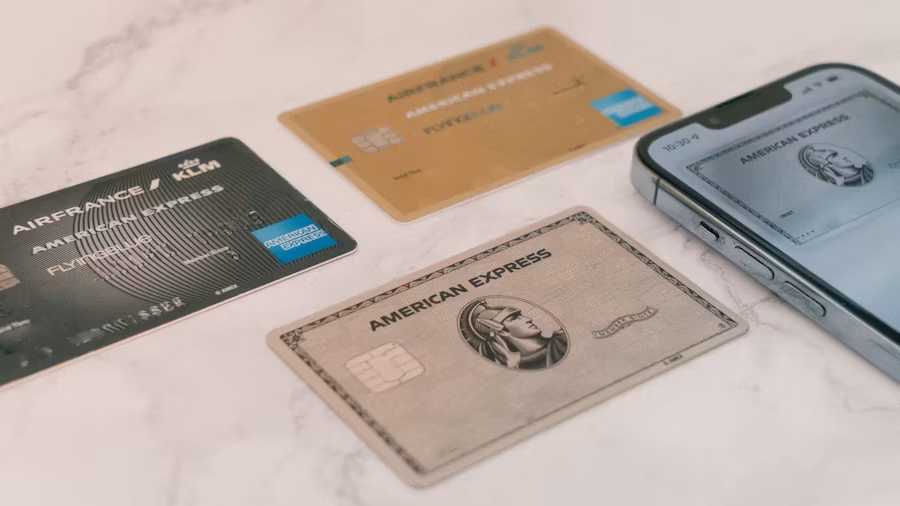
Best credit cards for no credit history — it sounds like a catch-22. You need a credit card to build credit. But you need credit to get a credit card. Here’s the thing: that catch only exists if you’re applying for the wrong cards.
The right cards are specifically built for people starting from zero. No credit history, no prior cards, no problem. We’ve compared the top options for 2026 and matched each one to a specific reader profile — because the ‘best’ card depends entirely on your situation.
If you want to understand how credit scores work before choosing a card, read our guide on how to build credit at 18. Otherwise, let’s get straight to the cards.
In this guide:
- How we chose these cards
- Quick comparison table
- Best cards reviewed — matched to your situation
- How to use your first card correctly
- Mistakes that hurt beginners
- FAQs
How We Chose These Cards
📷 Replace with: infographic showing credit score 300-850 scale | Create free in Canva | Size: 1200×800px
Every card on this list was evaluated on five criteria that actually matter for someone with no credit history:
- No credit history required for approval: Cards that hard-require prior credit history were excluded entirely.
- Annual fee vs. value: We included no-fee cards and low-fee cards only. High annual fees make no sense for a beginner building credit.
- Reports to all three bureaus: Experian, TransUnion, and Equifax. If a card only reports to one bureau, it builds your credit three times slower.
- Path to upgrade: The best starter cards automatically review your account and upgrade you to an unsecured card after 6–12 months of good behavior.
- Real-world approval odds: Not just what the card claims — but verified approval reports from people with thin or no credit files.
We are not paid to rank any card first. Affiliate links are present — marked with (*) — but they don’t influence our rankings. The best card for your situation is the one we recommend, regardless of commission.
Quick Comparison: Best Credit Cards for No Credit History 2026
| Card | Annual Fee | Credit Check | Best For | APR |
| Discover it Student(*) | $0 | Soft pre-check | Students — best rewards | 18.24%–27.24% |
| Capital One Platinum Secured(*) | $0 | Yes | Non-students, low deposit | 29.99% |
| Petal 1 Visa(*) | $0 | No FICO needed | Income-based approval | 25.24%–34.74% |
| Chime Credit Builder(*) | $0 | No credit check | Zero deposit needed | No interest |
| OpenSky Secured Visa(*) | $35/yr | No credit check | Guaranteed approval | 25.14% |
| Capital One Quicksilver Student(*) | $0 | Soft pre-check | Students wanting cashback | 19.74%–29.74% |
The Best Cards — Reviewed for Your Situation
1. Discover it Student Card — Best Overall for Students

Best for: College students with no credit history who want to earn real rewards from day one.
| ✅ Pros | ❌ Cons |
| No annual fee | Must be a student to apply |
| 5% cashback on rotating categories (gas, restaurants, Amazon, etc.) | APR is high if you carry a balance |
| Cashback Match — Discover doubles all cashback earned in year 1 | Rotating 5% categories require activation each quarter |
| Free credit score monitoring in the app | Credit limit starts low ($500–$1,500 typically) |
| Soft pre-approval check — see if you qualify without impacting score |
The Cashback Match feature is the real standout here. If you earn $60 in cashback over your first year, Discover matches it — giving you $120 total. That’s a meaningful benefit for a card with no annual fee. The soft pre-approval check also means you can see if you’re likely to get approved without a hard inquiry on your credit report. Apply at discover.com/credit-cards/student.
2. Capital One Platinum Secured — Best for Non-Students
Best for: People who aren’t enrolled in college and need a secured card with a low minimum deposit.
| ✅ Pros | ❌ Cons |
| $49, $99, or $200 deposit for a $200 credit limit (amount depends on creditworthiness) | No rewards — purely a credit-building tool |
| No annual fee | High APR (29.99%) — never carry a balance |
| Capital One reviews account in as little as 6 months for upgrade to unsecured | Hard credit inquiry on application |
| Reports to all three credit bureaus monthly |
The Capital One Platinum Secured is the most straightforward starter card available. No rewards, no frills — just a reliable tool to build your credit history. The $49 minimum deposit option makes it accessible even when money is tight. Apply at capitalone.com/secured.
3. Petal 1 Visa — Best If You Have Income But No Credit
Best for: People with a steady income (job, gig work, freelance) but zero credit history. Petal uses bank data instead of a credit score.
| ✅ Pros | ❌ Cons |
| No FICO score required — approval based on income and spending | APR can be high (up to 34.74%) for lower income profiles |
| No annual fee, no deposit required | Not available in all states |
| Credit limits up to $3,000 — higher than most starter cards | Cashback rate lower than Discover (2-10% at select merchants only) |
| Cashback at select merchants (2-10%) |
Petal’s approach is genuinely different. Instead of a credit score, they connect to your bank account and look at your actual financial behavior — income, spending patterns, savings. If you have a job but no credit history at all, this can result in better terms than a traditional secured card. Learn more at petalcard.com.
4. Chime Credit Builder — Best With Zero Deposit
Best for: Anyone who can’t afford a $200 security deposit but wants to start building credit immediately.
| ✅ Pros | ❌ Cons |
| No security deposit, no annual fee, no credit check | Requires a Chime checking account (free but a separate step) |
| No interest charges — you can only spend money you move to the card | No traditional credit limit — spending tied to what you load |
| Reports to all three bureaus as on-time payments | No rewards or cashback |
| SpotMe overdraft protection on the checking account |
Chime Credit Builder works differently: you move money into the Credit Builder account, then spend it with the card. There’s no interest because you’re spending your own money. It still reports to all three bureaus as on-time payment activity, which builds your credit just as effectively as a traditional card. Get started at chime.com/credit-builder.
How to Use Your First Credit Card to Build Credit Fast
Getting the card is step one. Using it correctly is the part that actually builds your credit. Here’s the exact system:
- Charge one small recurring expense: Pick one bill — Netflix, Spotify, a monthly subscription. Put only that on the card. This keeps utilization low and ensures automatic monthly activity.
- Pay the full balance every month: Set a calendar reminder for 3 days before the due date. Pay the full statement balance, not the minimum. Carrying a balance builds credit no faster than paying in full — but it costs you interest.
- Keep utilization under 30%: If your credit limit is $300, never have more than $90 charged at any time. Under 10% is ideal. This is the second-biggest factor in your score after payment history.
- Don’t apply for another card for 6–12 months: Each new application is a hard inquiry. Wait until your score has grown before adding a second card.
- Check your credit report in 60–90 days: Go to AnnualCreditReport.com. Confirm your card is reporting correctly and look for any errors.
The fastest way to build credit: use the card for a $10–$20 purchase once a month and pay it off the same day you get the statement. This shows activity, keeps utilization near zero, and builds a perfect payment history. It takes less than 5 minutes a month.
What Credit Score Will You Start With?
Before you apply, set realistic expectations:
- With no prior credit, you have no score at all — this is different from a bad score.
- After your first card has been open for 3–6 months, most scoring models can generate a score.
- First score is typically 620–650 for someone doing everything right.
- After 12 months of on-time payments and low utilization: expect 680–720+.
- After 24 months with a second account added: 720–750 is realistic.
For the full timeline and what affects it, read our complete guide to building credit at 18.
And once your score reaches 680+, you’ll want to know what credit score you need to lease a car — a common next goal for young adults.
5 Mistakes Beginners Make With Their First Credit Card
- Applying for multiple cards at once: Each application is a hard inquiry. Two or three applications in a week drops your score 15–30 points and signals desperation to lenders. One card, use it well for a year, then consider another.
- Only making the minimum payment: The minimum payment keeps you current (good) but costs you interest (bad). On a $300 balance at 29.99% APR, making only minimums can take 2+ years to pay off and cost $80+ in interest. Pay in full every month.
- Maxing out the card: A $300 card charged to $280 has 93% utilization. That alone can tank a thin credit file by 50+ points. Stay under 30% of your limit — ideally under 10%.
- Closing the card after getting a better one: Keep your first card open, even if you stop using it for main purchases. Closing it shortens your credit history and reduces your available credit — both hurt your score.
- Missing the payment due date even once: One 30-day late payment can drop your score 60–110 points and stays on your report for 7 years. Set up autopay for the minimum amount immediately after getting the card. You can always pay more manually.
FAQs
Can I get a credit card with absolutely no credit history?
Yes. The cards on this list are specifically designed for this situation. Discover it Student, Capital One Platinum Secured, Chime Credit Builder, and OpenSky Secured Visa all accept applicants with no prior credit history. The key is applying for the right card. Applying for a standard rewards card (Chase Sapphire, Amex Gold) with no credit history will result in denial and an unnecessary hard inquiry.
Should I get a secured or unsecured card with no credit history?
It depends on your situation. If you’re a college student, an unsecured student card (Discover it Student, Quicksilver Student) is usually better — no deposit required, often earns rewards. If you’re not a student, a secured card is typically your best option. The credit-building effect is identical between secured and unsecured cards — both report monthly to all three bureaus. The only difference is the deposit requirement.
How long does it take to get approved for a credit card with no credit?
Most applications give you an instant decision online. If approved, the physical card arrives in 7–10 business days. Some cards like Discover offer instant card numbers for online use immediately after approval. If you’re denied, wait 3–6 months before reapplying — use that time to add yourself as an authorized user on a family member’s card or open a credit-builder loan to establish some history first.
What’s the minimum income needed to get a first credit card?
Student cards have no stated income minimum — they’re designed for people with little or no income. Secured cards require enough income to make minimum payments, but there’s no hard number. Petal 1 uses income verification most heavily and generally wants to see $10,000+ in annual income to approve a reasonable credit limit. If your income is very low, Chime Credit Builder is the easiest option — there’s no income requirement at all, just a Chime checking account with at least one qualifying deposit.
How many credit cards should I have as a beginner?
Start with one. Use it correctly for 12 months. Then consider a second card to diversify your credit mix — a different card type (like a credit-builder loan alongside a card). Three or more cards in your first year is too many. More accounts mean more complexity, more chances to make mistakes, and multiple hard inquiries dragging down your score. Master one card first. See our guide on how to save $1,000 in 3 months while you’re building credit — the two goals go well together.
The Bottom Line
The best first credit card for most 18–25 year olds with no credit history is the Discover it Student Card — if you’re a student. If you’re not, go with Capital One Platinum Secured. If you have no cash for a deposit, Chime Credit Builder is your answer.
Apply for one. Use it for one small purchase a month. Pay it off in full every month. Check your score in 90 days. That’s the whole system.
The cards above all link to 3 articles already on the site — build credit at 18, save $1,000 in 3 months, and credit score to lease a car. Together these four articles form a complete credit-building guide for young adults.
Sources
1. Consumer Financial Protection Bureau — understanding credit cards
2. myFICO — how credit scores work
3. AnnualCreditReport.com — free credit report access


Pingback: How to Build Credit at 18 (Even With No Income) | MoneyUnder25
Pingback: What Credit Score Do You Need to Lease a Car? (2026 Guide) | MoneyUnder25
Pingback: How to Check Your Credit Score for Free (The Right Way)
Pingback: Secured vs Unsecured Credit Cards: What's the Difference?