

Paying Off Debt vs Investing: Which Comes First?
The Direct Answer Always first: $1,000 emergency buffer before either debt payoff or investing. Always second: employer 401k match —
Paying Off Debt vs Investing: Which Comes First? Read Post »

The Direct Answer Always first: $1,000 emergency buffer before either debt payoff or investing. Always second: employer 401k match —
Paying Off Debt vs Investing: Which Comes First? Read Post »
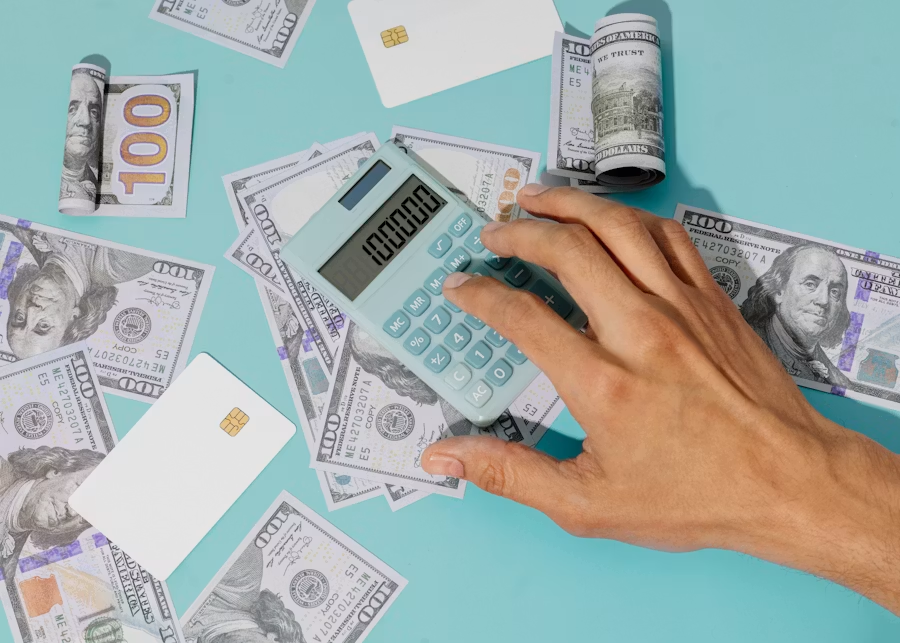
What $500/Month Becomes $500/month = $6,000/year = $125/week = $16.67/day. 3 months of $500/month = $1,500 saved. At 4.5% APY
How to Save $500 a Month (Even on a Tight Budget) Read Post »

The Math — And the Honest Reality Check $8,000 ÷ 3 months = $2,667/month = $615/week = $87.80/day. This requires
How to Save $8,000 in 3 Months: Who Can Do It and How Read Post »
The Math Up Front $1,500 ÷ 3 months = $500/month = $125/week = $17.86/day. $500/month is 15-22% of take-home pay
How to Save $1,500 in 3 Months: The Week-by-Week Plan Read Post »

The Math Up Front $10,000 ÷ 12 months = $833/month = $192/week = $27.40/day. $833/month is the number. A year
How to Save $10,000 in a Year: The Month-by-Month Plan Read Post »
The Math First $3,000 ÷ 3 months = $1,000/month = $250/week = $33.33/day. $1,000/month is 20-40% of take-home pay depending
How to Save $3,000 in 3 Months: The Week-by-Week Plan Read Post »

The Math Up Front $2,000 ÷ 3 months = $667/month = $167/week = $23.85/day. $667/month is the non-negotiable number. Everything
How to Save $2,000 in 3 Months: The Week-by-Week Plan Read Post »

The Math — Right Up Front $5000 ÷ 6 months = $833/month = $208/week = $29.75/day. That’s the number. Everything
How to Save $5000 in 6 Months: The Week-by-Week Plan Read Post »

The Numbers — Quick Answer Median savings for adults under 35: approximately $8,000-13,000 (Federal Reserve data). Mean (average) savings under
Average Savings by Age 25: What the Data Says (And How to Catch Up) Read Post »
What You Need — Quick Answer You can open a bank account at 18 with: government-issued ID, Social Security Number,
How to Open a Bank Account at 18 (Step-by-Step Guide) Read Post »

Top 5 — Quick Reference #1 Tutoring: $20-50/hour, fully flexible schedule, no startup cost. #2 Freelance writing/design/coding: $25-80/hour, remote, skills
Best Side Hustles for College Students in 2026 (Ranked by Pay) Read Post »
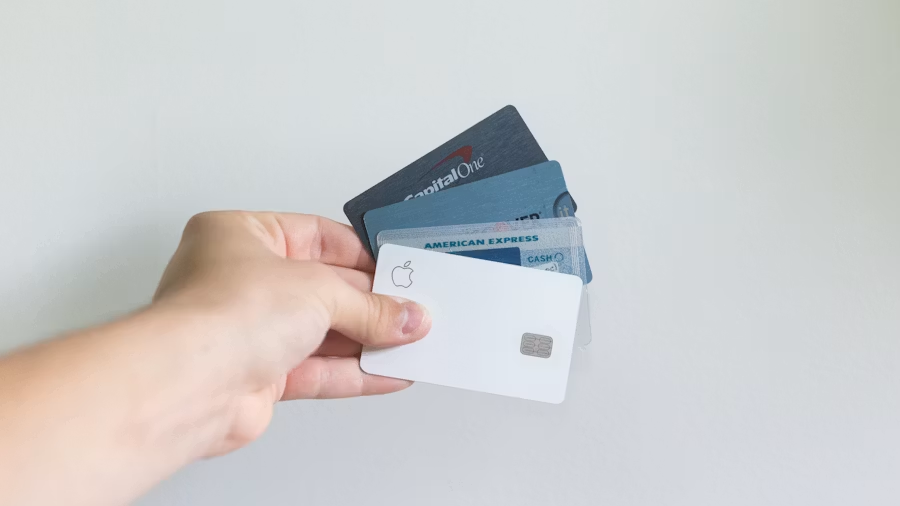
The Short Answer Starting out (no credit history): 1 card — a secured card or starter card. Score under 670:
How Many Credit Cards Should You Have? (A Stage-by-Stage Guide) Read Post »

Top Picks — Quick Answer Best overall: SoFi — checking + savings combo, 4.50% APY, $50 bonus with direct deposit.

The Math in Plain Numbers $10,000 ÷ 12 months = $833/month required. At 20% APR (credit card rate), paying only
How to Pay Off $10,000 in Debt in 1 Year: The Real Plan Read Post »

The Short Version Most employers expect negotiation. The first offer is rarely the final offer. Research your market rate first:
How to Negotiate Your Salary at 22: A First Job Guide Read Post »
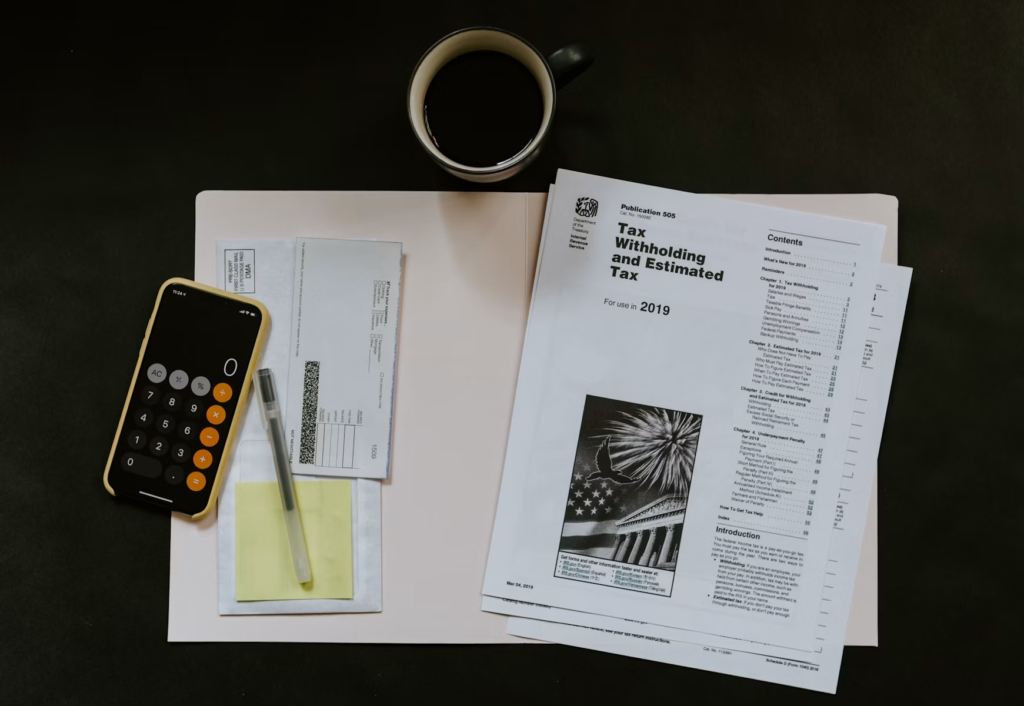
The Short Version Deadline: April 15, 2027 for 2026 taxes (or October 15 if you file an extension). Free filing:
How to File Taxes for the First Time: A Step-by-Step Guide Read Post »

The Short Version Cost: $15–30/month for most renters. Less than a streaming subscription. What it covers: your belongings, liability if
How to Get Renters Insurance (And Why You Actually Need It) Read Post »

Quick Answer Credit unions: better loan rates, higher savings APY, fewer fees, member-owned. Banks: more ATMs, better technology, easier to
Credit Unions vs Banks: Which Is Better for Young Adults? Read Post »

All 7 Baby Steps — At a Glance Baby Step 1: Save $1,000 as a starter emergency fund. Baby Step
Dave Ramsey’s Baby Steps Explained Simply (All 7 Steps) Read Post »
Quick Answer Both charge 0.25% annual fee with no account minimum. Betterment: better for flexible goal-based investing and lower minimums
Betterment vs Wealthfront 2026: Which Robo-Advisor Is Better? Read Post »