
Instacart sounds great until you actually do it for a month.
The pay varies wildly. Some weeks you clear $18 an hour. Other weeks, after factoring in gas and the time spent waiting for batches, you’re closer to $10. It’s not bad — but it’s not for everyone. Maybe the hours don’t fit your schedule. Maybe you hate grocery stores. Maybe you tried it and the batch system drove you crazy.
Whatever the reason, there are a lot of other apps and gig jobs that pay similarly — some better, some worse, depending on where you live and what you’re willing to do. This guide covers 12 of them with real hourly estimates, not the inflated numbers companies advertise.
One note before we dive in: gig income counts as self-employment income with the IRS. You’ll owe taxes on it. Set aside around 25–30% of what you earn. The IRS Gig Economy Tax Center has everything you need.
What’s covered:
- Grocery and delivery apps (similar to Instacart)
- Rideshare and driving apps
- Task-based gigs (no driving required)
- Skill-based freelance platforms
- Which one pays the most per hour (honest numbers)
- FAQs and tax basics
Grocery and Delivery Apps — Closest to Instacart
1. Shipt — The Better-Paying Instacart Alternative
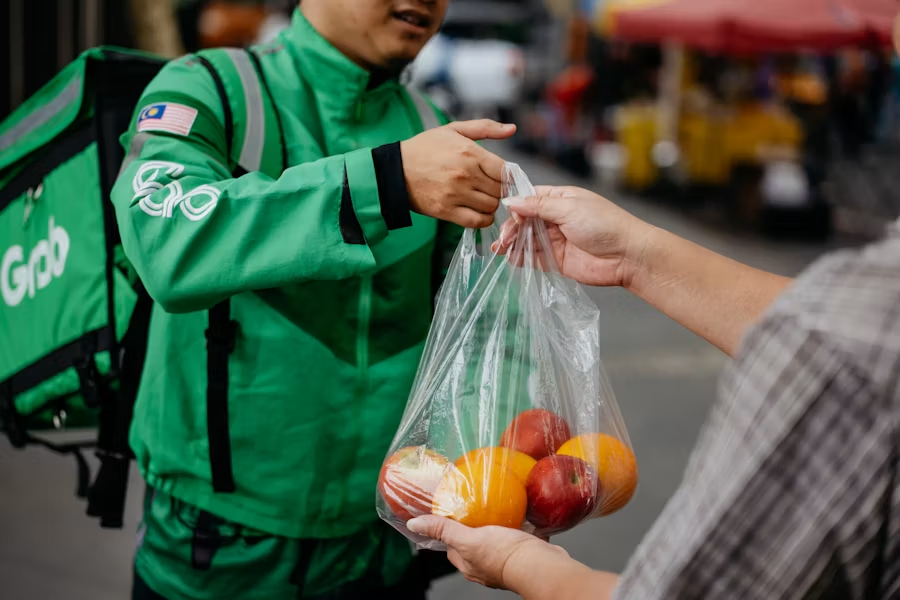
If you like the Instacart model but want better pay, Shipt is worth trying first. Owned by Target, Shipt shoppers typically earn $15–$22 per hour in most markets, which edges out Instacart’s real-world average.
How it works: customers order from Target and other partner stores, you shop and deliver. Simple. The main difference from Instacart is that Shipt orders tend to be smaller and the tip culture is slightly better — possibly because customers know they’re ordering from a premium store.
| What works well | What doesn’t |
| Pay is generally $1–$3/hr higher than Instacart | Only available in select metro areas |
| Target orders are usually well-organized and fast to shop | Smaller market means fewer available orders outside peak times |
| Can set your own weekly schedule in advance | Background check required, takes 5–7 days |
Real hourly rate after gas and expenses: $13–$18/hr in most markets. Higher in dense urban areas where orders cluster.
2. DoorDash — High Volume, Inconsistent Pay
DoorDash is the most popular food delivery app in the US, which means you’ll almost always find orders. The problem is that high volume brings competition — lots of dashers means smaller orders for each person.
The honest truth about DoorDash: it works best in suburban areas during lunch and dinner rushes. In a dense city, there are too many dashers fighting over the same orders. In a rural area, there aren’t enough restaurants. The sweet spot is a mid-size city or suburb where you know the fastest routes.
Pay structure: base pay per order ($2–$10) plus tips. Base pay alone is often not worth your time — you need consistent tips to make the math work. Stick to orders with a guaranteed minimum of $7 before you accept them.
| What works well | What doesn’t |
| Most active platform — orders available almost any time | Base pay often too low without tips |
| Cash out earnings daily via Fast Pay ($1.99 fee) | Wear on your car adds up — factor in $0.14/mile for depreciation |
| Peak pay bonuses during busy hours and bad weather | Restaurant wait times eat into your hourly rate badly |
Real hourly rate after gas and expenses: $11–$16/hr. Better with Peak Pay. Worse in oversaturated urban markets.
3. Uber / Uber Eats — Two Income Streams, One App
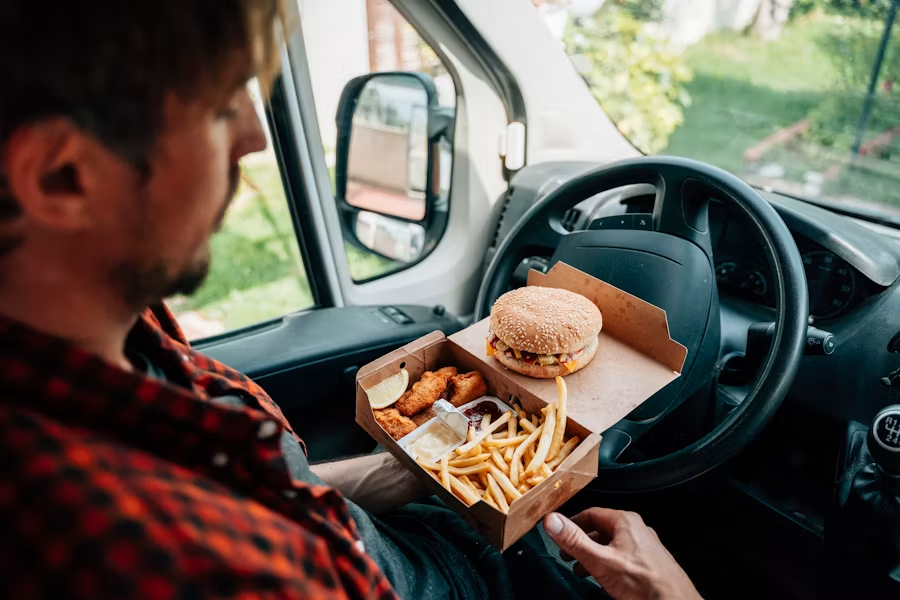
The advantage of Uber is flexibility — one app lets you switch between food delivery (Uber Eats) and rideshare depending on what’s busier at that moment. During lunch rush, run Uber Eats. Friday night, switch to rideshare. That flexibility is genuinely useful if you have a car.
Rideshare pays better per hour than food delivery in most markets, but it comes with more responsibility — you’re driving actual people, not bags of food. Some people prefer it, some find it exhausting. Worth trying both modes for a week to see which fits you.
| What works well | What doesn’t |
| Switch between delivery and rideshare in real time | Vehicle requirements — car must be 2009 or newer in most cities |
| Airport runs pay very well ($20–$40+ for one trip) | Surge pricing isn’t always enough to justify driving in peak traffic |
| Weekly earnings summary helps track real income | Higher car wear than grocery or task apps |
Real hourly rate: Uber Eats $12–$16/hr. Rideshare $16–$22/hr in most cities, higher in major metros during surge.
Task-Based Gig Apps — No Driving Required
4. TaskRabbit — Set Your Own Hourly Rate
TaskRabbit is different from every other app on this list in one key way: you set your own hourly rate. You decide whether you charge $25/hr or $60/hr for furniture assembly, moving help, yard work, or general handyman tasks.
This is both the best and worst thing about it. Best: if you’re good at something and price yourself appropriately, you can earn significantly more than any delivery app. Worst: getting your first few jobs takes time because you start with no reviews. The first month is slow while you build your profile.
Most successful Taskers focus on one or two services rather than offering everything — it makes your profile look more professional and you get requests faster.
| What works well | What doesn’t |
| You set your own rate — no algorithm controlling your pay | Slow start — first 3–4 weeks building reviews |
| No driving between jobs — clients come to your schedule | TaskRabbit takes 15% commission from each job |
| Popular in cities — furniture assembly especially busy | Jobs can be physically demanding |
Real hourly rate: $18–$45/hr depending on your skill and market. Furniture assembly and mounting are the highest-demand categories.
5. Rover — Dog Walking and Pet Sitting

If you genuinely like animals, Rover is one of the best hourly earners on this list. Dog walking pays $15–$25 per 30-minute walk in most cities. Pet sitting (staying at a client’s home) pays $30–$60 per night. Board and train services pay even more.
The real advantage of Rover is repeat clients. One dog owner with three walks per week is $180–$300 per month in recurring income. Get five regular clients and you have $900–$1,500/month from a few hours per day of walking dogs. That’s hard to match with food delivery.
The downside: building a client base takes 6–8 weeks. You need to offer your first few bookings at a discount to get reviews, then raise your rates.
| What works well | What doesn’t |
| Repeat clients = predictable recurring income | Slow ramp-up — 6–8 weeks to build a client base |
| Dog walking is genuinely enjoyable if you like dogs | Rover takes 20% commission from earnings |
| Much less vehicle wear than delivery apps | Weather-dependent — dog owners still want walks in rain |
Real hourly equivalent: $15–$25/hr for walks, higher for sitting. Scales well with repeat clients.
6. Amazon Flex — Block Scheduling, Predictable Pay
Amazon Flex pays a flat rate per delivery block, usually $18–$25 per hour, paid up front before you start. You sign up for 3–4 hour delivery blocks and get paid the same regardless of how many packages you deliver in that window.
The catch: getting blocks is competitive. Popular time slots fill within seconds of opening. You need to be fast with the app, or use a scheduling app to alert you when blocks open. In some markets it’s easy to get blocks. In others, experienced drivers have an advantage.
| What works well | What doesn’t |
| Flat hourly rate — you know exactly what you’ll earn | Getting blocks is highly competitive in many markets |
| No tipping required — pay is guaranteed per block | Heavy packages — lifting required |
| Amazon packages familiar and well-organized | Need a qualifying vehicle — sedan, minivan, or SUV |
Real hourly rate: $18–$25/hr guaranteed (before gas expenses). One of the more predictable options on this list.
Freelance Platforms — Higher Pay, More Skill Required
7. Fiverr — Sell a Specific Skill, Set Your Price

Fiverr works best if you have a specific skill that businesses need — graphic design, video editing, writing, voiceover, social media, translation, data entry. You create a ‘gig’ listing your service and price, and clients come to you.
The income ceiling on Fiverr is much higher than any delivery app. A graphic designer charging $150 per logo who completes three logos per week earns $450/week — roughly $40/hr for the time spent. A video editor doing $300 per short-form video can earn more in one afternoon than a DoorDash driver earns in a week.
But — and this is important — getting to that point takes months. You start with zero reviews, which means you price low to get your first clients. Expect 2–3 months before the platform starts sending you regular traffic.
| What works well | What doesn’t |
| Income ceiling is much higher than gig delivery apps | Fiverr takes 20% of every sale — significant cut |
| Work from anywhere, any device | Takes months to get consistent orders without outside marketing |
| Great for people with design, writing, or tech skills | Competitive in popular categories — need strong portfolio |
8. Upwork — Long-Term Clients, Higher Rates
Upwork is Fiverr’s more professional sibling. Where Fiverr focuses on quick one-off gigs, Upwork is designed for longer projects and ongoing relationships. A company might hire you on Upwork for $30/hr to help with social media management for three months. That kind of stable, recurring work is harder to find on Fiverr.
Upwork is harder to break into. You need a strong profile, good proposals, and often prior work samples. But once you get established, the hourly rates are meaningfully higher than anything in the delivery or task space.
If you have any marketable skill — writing, editing, data analysis, basic coding, design — Upwork pays better per hour than every other option on this list once you’re established. It just takes longer to get there.
Honest Pay Comparison: What These Apps Actually Pay Per Hour
These numbers include an estimate of expenses — gas, car wear, platform fees — not just gross earnings. The ‘advertised’ rates you see in app marketing are almost always gross before deductions.
| App / Platform | Gross hourly | After expenses | Ramp-up time | Best for |
| Shipt | $15–$22 | $13–$18 | Same week | Shoppers |
| Amazon Flex | $18–$25 | $15–$20 | Same week | Drivers |
| Uber (rideshare) | $18–$25 | $14–$20 | 1–3 days | Drivers |
| TaskRabbit | $20–$50 | $17–$42 | 2–4 weeks | Handy people |
| Rover (dog walking) | $16–$26 | $14–$22 | 4–8 weeks | Animal lovers |
| DoorDash | $13–$20 | $11–$16 | Same week | Anyone with car |
| Uber Eats | $14–$19 | $12–$16 | Same week | Anyone with car |
| Fiverr | $8–$60+ | $6–$48+ | 2–4 months | Skilled workers |
| Upwork | $20–$80+ | $16–$65+ | 1–3 months | Professionals |
Tax reminder: all gig income is self-employment income. Set aside 25–30% of every payment for taxes. If you earn over $400 from gig work in a year, you must file Schedule SE with your tax return.
Which App Should You Actually Start With?
Depends entirely on three things: whether you have a car, how quickly you need money, and what your actual hourly rate matters to you.
Need money this week and have a car: Start with DoorDash or Uber Eats. Approval is fast, orders are always available, and you can work any hours you want. Not the highest pay, but the fastest to start.
Have a car and want better hourly pay: Try Shipt or Amazon Flex. Slightly better pay than DoorDash, same flexibility. Amazon Flex blocks require more hustle to get, but the guaranteed hourly rate is worth it.
No car but can walk or bike: Rover for dog walking. No car needed, walks are local, and regular clients build reliable recurring income. Takes longer to ramp up but pays well per hour once you’re established.
Good with tools, furniture, or physical tasks: TaskRabbit. You set your own rate, there’s no competition from an algorithm, and demand for furniture assembly and moving help is consistently high.
Have a skill that businesses pay for (design, writing, tech): Fiverr or Upwork. Lower income in the first few months, significantly higher ceiling after that. The best long-term option if you can handle the slow start.
Once you start earning from any of these, the next question is what to do with the money. If you don’t have an emergency fund yet, read about saving your first $1,000 first. If you’re ready to invest, here’s a breakdown of where to invest your gig earnings.
4 More Gig Options Worth Knowing
These didn’t make the main list but are worth considering depending on your situation.
9. Wag — Dog Walking With More Demand
Wag is Rover’s main competitor. The platform is slightly more active in some cities, less in others. Worth trying both and seeing which gets you bookings faster in your market. Wag takes 40% commission, which is higher than Rover’s 20%, but the demand can offset that in busy markets.
10. Instawork — Shifts at Warehouses, Events, and Restaurants
Instawork connects gig workers to one-day shifts at warehouses, restaurants, hotels, and events. Pay is typically $15–$22/hr depending on the shift type. You pick up shifts through the app like ordering food. Good for people who want structured work hours without committing to a full-time job.
11. Wonolo — Warehouse and Fulfillment Shifts
Similar to Instawork but focused more on warehouse and fulfillment roles. Often pays $17–$22/hr for shifts at Amazon fulfillment centers and similar operations. Physical work, predictable pay, no gig worker dependence on tips.
12. Selling on Facebook Marketplace or Depop
Not an app with a paycheck, but hear me out. Going through your apartment (or parents’ house) and listing items you don’t use on Facebook Marketplace or Depop takes a few hours and can realistically generate $100–$500 from stuff you already own. It’s not a repeatable income source long-term, but as a starting point — especially while waiting for a delivery app to approve you — it’s overlooked.
FAQs
How much do gig apps actually pay after expenses?
Less than the apps claim in their marketing. Delivery apps advertise earnings of $20–$25/hr but those figures are gross — before gas, car depreciation, and phone data usage. Realistically, most delivery drivers take home $11–$16/hr after real expenses in average markets. The IRS standard mileage deduction ($0.67/mile in 2024) helps at tax time, but it doesn’t change your weekly take-home. If your car gets 25 miles per gallon and gas is $3.50, you’re spending $0.14/mile just on fuel — not counting wear.
Do I need a car for all gig apps?
No. Rover, Wag, TaskRabbit, Fiverr, Upwork, and Instawork don’t require a car. Rover and Wag need you to be local to your clients for dog walking. TaskRabbit needs you to get to the client’s location, which works fine with public transit in most cities. Fiverr and Upwork are completely location-independent — you can work from anywhere with internet access.
Which gig app is easiest to get started with?
DoorDash has the fastest approval process — most people are approved within 2–3 days. All you need is a valid driver’s license, insurance, and a vehicle. Rover and Shipt take 5–7 days for background checks. Fiverr and Upwork let you create a profile immediately, but getting your first paying client takes longer than any of the delivery apps.
Do gig workers get any benefits?
No standard employee benefits — no health insurance, no paid time off, no employer 401k match. You’re self-employed. This means you also pay the full self-employment tax rate (15.3%) on net earnings, not just the employee portion. On the positive side, you can deduct legitimate business expenses: mileage, a portion of your phone bill, work equipment. Keep receipts and track your miles. The IRS Gig Economy Tax Center has a clear overview of what’s deductible.
Can I do multiple gig apps at the same time?
Yes, and many experienced gig workers do. Running DoorDash and Uber Eats simultaneously is common — you pick up whichever order pays better at any given moment. Some apps technically prohibit this in their terms, but the practice is widespread. More important than multi-apping is knowing your market — some cities and time windows are significantly more profitable than others, and learning those patterns matters more than which specific app you’re on.
The Bottom Line
Instacart isn’t the only option. Depending on what you have — a car, a skill, a willingness to walk dogs or assemble furniture — there’s an app on this list that pays better for your specific situation.
Start with what gets you earning fastest: DoorDash or Shipt if you have a car, Rover if you don’t, Fiverr if you have a skill. Then reassess after 30 days. The app that works for your friend in Atlanta might pay half as much in your city. Test it, track your real hourly rate, and move on if the math doesn’t work.
Once you’re earning, the next step is making that money work for you. Here’s a realistic plan for saving your first $1,000, and if you want to start investing even small amounts, see where to invest your gig earnings.
Sources
1. IRS — Gig Economy Tax Center
2. Bureau of Labor Statistics — contingent and alternative employment
3. DoorDash — Dasher pay and requirements




Pingback: How to File Taxes for the First Time (Step-by-Step)
Pingback: Best Side Hustles for College Students 2026
Pingback: Jobs Similar to Shipt: 10 Alternatives That Pay Well
Pingback: How to Make Money in College: 15 Real Ways in 2026
Pingback: DoorDash vs Uber Eats for Drivers: Which Pays More?