
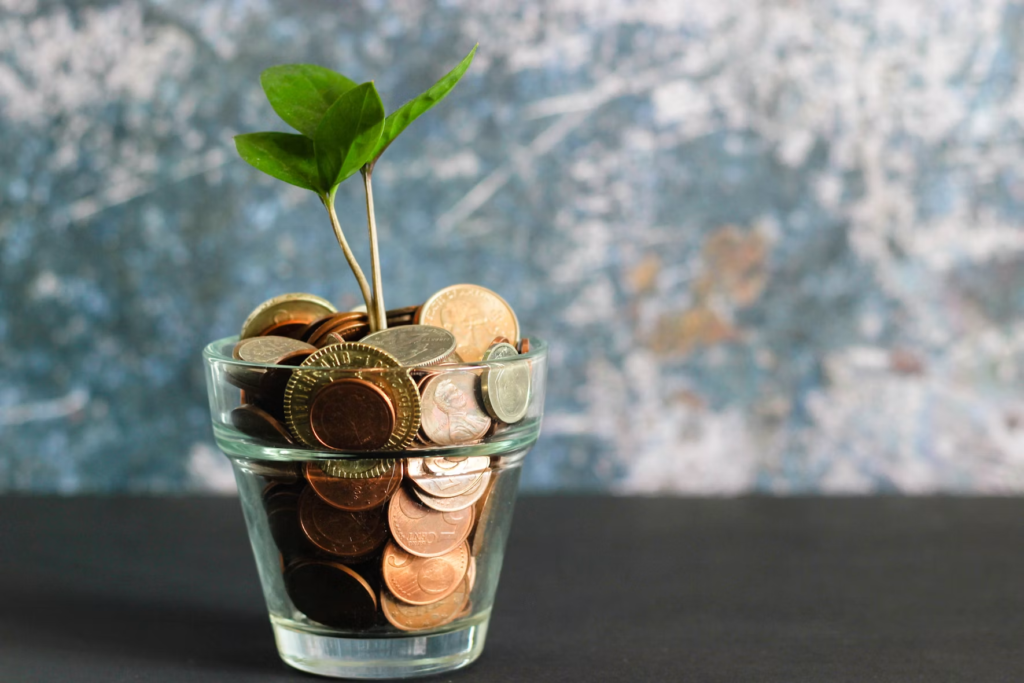
Unexpected expenses happen to everyone.
Your car breaks down. Your laptop dies before an important exam. A medical bill arrives that you weren’t expecting.
Without savings, many people rely on credit cards, personal loans, or even payday loans to cover emergencies. That often creates even bigger financial problems later.
That’s why building an emergency fund is one of the most important money goals for young adults.
In this guide, you’ll learn exactly what an emergency fund is, how much you need, where to keep it, and how to start building one even if you’re living paycheck to paycheck.
Table of Contents
- What Is an Emergency Fund?
- Why Beginners Need an Emergency Fund
- How Much Should an Emergency Fund Be?
- Where Should You Keep Emergency Savings?
- How to Build an Emergency Fund Fast
- Common Emergency Fund Mistakes
- What Counts as an Emergency?
- Emergency Fund Example
- Frequently Asked Questions
- Sources
What Is an Emergency Fund?
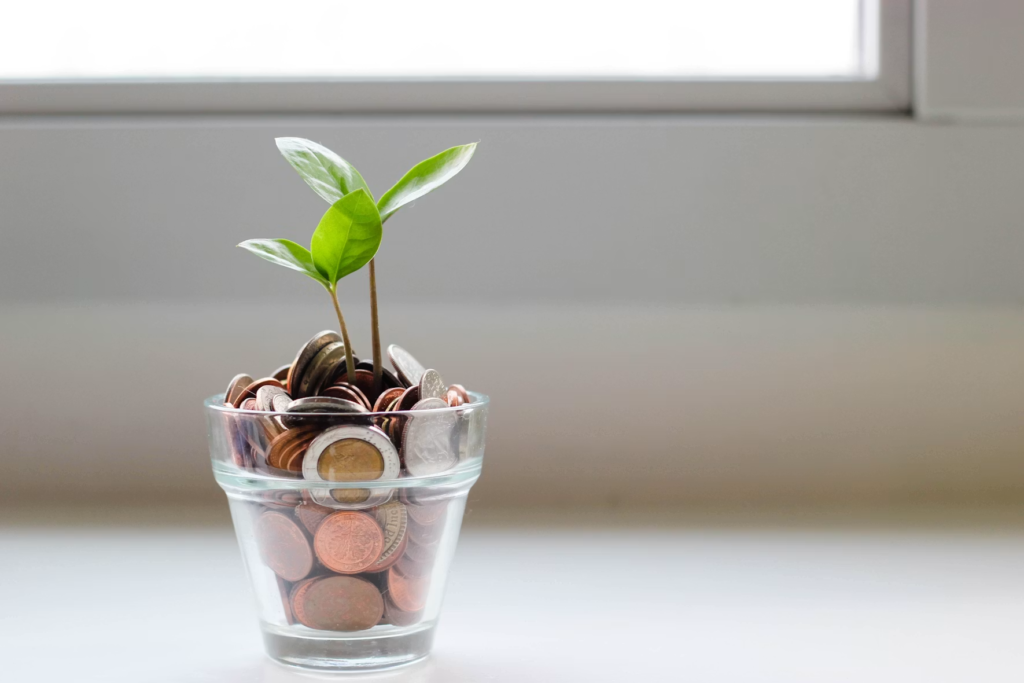
An emergency fund is money set aside specifically for unexpected expenses.
Think of it as your financial safety net.
The purpose of an emergency fund is to help you handle financial surprises without going into debt.
Examples include:
- Emergency medical bills
- Car repairs
- Job loss
- Home repairs
- Emergency travel
- Unexpected pet expenses
An emergency fund is not meant for:
- Vacations
- Shopping
- Concert tickets
- New phones
- Holiday spending
If the expense isn’t urgent and unexpected, it probably isn’t an emergency.
Why Beginners Need an Emergency Fund
Many young adults focus on investing before they build savings.
That’s usually a mistake.
Imagine investing $1,000 and then facing a $700 emergency.
Without emergency savings, you may be forced to:
- Sell investments at a bad time
- Use a credit card
- Take out a loan
- Borrow money from family
An emergency fund helps you avoid those situations.
It also reduces financial stress because you know you have money available if something goes wrong.
How Much Should an Emergency Fund Be?

Step 1: Save Your First $1,000
For beginners, the first goal should be saving $1,000.
This amount can cover many common emergencies.
Examples:
- Car repair: $400–$900
- Emergency dental visit: $200–$800
- New laptop battery or repair: $100–$500
Your first $1,000 creates breathing room.
Step 2: Build One Month of Expenses
After reaching $1,000, work toward saving one month of living expenses.
For example:
| Monthly Expense | Amount |
|---|---|
| Rent | $900 |
| Food | $300 |
| Utilities | $150 |
| Transportation | $150 |
| Insurance | $100 |
| Total | $1,600 |
In this example, the next goal would be $1,600.
Step 3: Save 3–6 Months of Expenses
Most financial experts recommend saving:
- 3 months of expenses if you have a stable job
- 6 months of expenses if your income varies
If monthly expenses are $2,000:
- 3 months = $6,000
- 6 months = $12,000
This level of savings provides serious protection against job loss or major emergencies.
Where Should You Keep Emergency Savings?
Your emergency fund should be:
- Safe
- Easy to access
- Separate from daily spending
High-Yield Savings Account (Best Option)
A high-yield savings account earns interest while keeping your money available when needed.
Many online banks offer rates much higher than traditional banks.
Savings Account at Your Bank
A regular savings account works too.
The most important thing is keeping emergency money separate from your checking account.
What to Avoid
Do not keep emergency funds in:
- Stocks
- Cryptocurrency
- Mutual funds
- Long-term investments
Emergency money should never depend on market performance.
How to Build an Emergency Fund Fast

1. Automate Savings
Set up automatic transfers every payday.
Even saving $25–$50 per week adds up quickly.
2. Start a No Spend Challenge
Avoid non-essential spending for a week or month.
Many people save hundreds of dollars simply by reducing impulse purchases.
Related Guide:
No Spend Challenge: The Complete 7-Day and 30-Day Guide
3. Save Unexpected Money
Use:
- Tax refunds
- Bonuses
- Cash gifts
- Side hustle income
Instead of spending these windfalls, add them directly to your emergency fund.
4. Sell Unused Items
Old electronics, gaming gear, furniture, and clothes can help you reach your first savings milestone faster.
5. Cut One Monthly Expense
Cancel one subscription you don’t use regularly.
A $15 monthly subscription becomes $180 per year.
Small changes add up.
Common Emergency Fund Mistakes
Waiting Until You Earn More
Many people believe they’ll save later when they make more money.
Unfortunately, expenses often rise along with income.
Start now.
Keeping Savings in Checking
When emergency savings sits next to spending money, it’s easier to accidentally use.
Investing Emergency Money
Emergency funds are for safety, not growth.
Protect the money first.
Not Replacing Withdrawn Funds
If you use your emergency fund, make rebuilding it your next financial priority.
What Counts as an Emergency?
Real Emergencies
- Emergency medical expenses
- Job loss
- Necessary car repairs
- Urgent travel for family emergencies
- Essential home repairs
Not Emergencies
- New gadgets
- Vacations
- Fashion purchases
- Holiday shopping
- Dining out
A simple question helps:
“Can this expense wait?”
If yes, it probably isn’t an emergency.
Emergency Fund Example
Sarah is 22 years old.
She earns $2,500 per month after taxes.
Her monthly expenses are:
- Rent: $800
- Food: $300
- Transportation: $150
- Utilities: $100
- Miscellaneous: $250
Total monthly expenses: $1,600
Sarah’s emergency fund goals:
- First goal: $1,000
- Next goal: $1,600
- Long-term goal: $4,800–$9,600
By saving $50 per week, Sarah reaches her first $1,000 in about five months.
Frequently Asked Questions
How much should a beginner emergency fund be?
Most beginners should aim for their first $1,000 before building a larger emergency fund.
Is $1,000 enough for an emergency fund?
It’s a good starting point, but long-term goals should include 3–6 months of expenses.
Where should I keep my emergency fund?
A high-yield savings account is usually the best option because it’s safe and accessible.
Should I invest my emergency fund?
No. Emergency savings should remain liquid and easily accessible.
How long does it take to build an emergency fund?
That depends on your income and savings rate. Many people can save their first $1,000 within a few months.
Related Articles
- How to Build an Emergency Fund
- How to Save Money Fast
- How to Save $1,000 in 3 Months
- Financial Goals for Your 20s
- No Spend Challenge
Sources
- Consumer Financial Protection Bureau (CFPB)
- Federal Deposit Insurance Corporation (FDIC)
- Consumer.gov Budgeting Resources
- Experian Personal Finance Resources
Final Thoughts
An emergency fund isn’t exciting.
It won’t make you rich overnight.
But it can prevent debt, reduce stress, and protect your financial future.
If you’re just starting your personal finance journey, focus on saving your first $1,000.
Once you reach that milestone, continue building toward one month of expenses and eventually three to six months of financial protection.
The best emergency fund is the one you start today.


Pingback: How Much Money Should You Have Saved by 25? A Realistic Guide