Quick Answer: The Core Rules
A no spend challenge means zero spending on non-essential items for a set period.
Allowed: rent, utilities, groceries (basic), transportation to work, medications.
Not allowed: dining out, delivery apps, clothing, entertainment, subscriptions (new), impulse buys.
7-day version: strict rules, beginner-friendly, saves $80–250 on average.
30-day version: full month, saves $300–800 depending on your current spending habits.
A no spend challenge is simple: for a set number of days, you spend money on nothing except the absolute essentials. No restaurants. No Amazon. No impulse buys. No entertainment purchases. No new subscriptions.
The point isn’t deprivation. It’s reset. Most people have no idea how much they spend on discretionary purchases week to week until they stop for seven days and watch the number.
A week-long no-spend challenge typically saves $80-250. A full month saves $300-800 — which, depending on your goal, can fund an entire month’s contribution to building your emergency fund or cover a significant portion of the save $1,000 in 3 months goal.
What’s covered:
- What counts as a no spend challenge — and what it isn’t
- The complete allowed and not-allowed list
- 7-day version: rules, savings estimate, day-by-day guide
- 30-day version: rules, how to adapt for a full month
- How to handle social situations
- What to do when you slip
- What to do with the money you save
- FAQs
What a No Spend Challenge Actually Is
According to the Consumer Financial Protection Bureau, discretionary spending — money spent on non-essential items — is one of the fastest areas to cut when building savings. A no spend challenge is a deliberate, time-limited version of that cut: you freeze all discretionary spending for a fixed period and observe what you actually need versus what you spend out of habit.
The challenge has two effects. The obvious one: immediate savings. The less obvious one: it reveals your actual spending patterns. Most people are surprised to discover how many purchases happen on autopilot — the coffee picked up without thinking, the delivery order placed because cooking felt like too much effort, the Amazon purchase made while scrolling at 11pm.
A no spend challenge is not the same as extreme frugality or living without basics. You still pay rent, eat, get to work, and take your medications. The freeze applies to discretionary spending only.
The Bureau of Labor Statistics reports that adults under 35 spend an average of $600-900/month on food (including dining out and delivery), entertainment, clothing, and personal care combined. Even a partial freeze of those categories for 30 days can generate $300-600 in savings that would otherwise disappear in small transactions.
The Complete Allowed and Not-Allowed List

The most common question: what counts? Here’s the full breakdown. Use this as your reference during the challenge.
| Item | Status | Why / Notes |
| Rent / mortgage payment | ✅ Allowed | Non-negotiable. Pay it as normal. |
| Utility bills (electric, gas, water, internet) | ✅ Allowed | Pre-committed, non-discretionary. |
| Basic groceries | ✅ Allowed | Food you cook at home. No premium or specialty items. |
| Medications and medical | ✅ Allowed | Health is non-discretionary. |
| Transportation to work | ✅ Allowed | Gas, bus pass, subway card. Not Uber for convenience. |
| Minimum debt payments | ✅ Allowed | Required minimums. Not extra payoff (save that for after). |
| Phone bill (existing plan) | ✅ Allowed | Pre-existing commitment. Do not upgrade during challenge. |
| Pre-paid or pre-planned events | ✅ Allowed | If you bought tickets before the challenge started. |
| Pet food and vet (urgent) | ✅ Allowed | Pet essentials are allowed. Toys and accessories are not. |
| Restaurants and takeout | ❌ Banned | No dining out, no fast food, no coffee shops. |
| Food delivery (DoorDash, Uber Eats) | ❌ Banned | Delete the apps for the duration. |
| New clothing or accessories | ❌ Banned | Including online shopping. No exceptions. |
| Entertainment purchases | ❌ Banned | Movies, bars, concerts, events (unless pre-paid). |
| New subscriptions | ❌ Banned | Do not start new subscriptions during the challenge. |
| Amazon / online purchases | ❌ Banned | Close saved cart tabs. Remove credit cards from saved info. |
| Impulse buys of any amount | ❌ Banned | Even small ones. The point is to stop autopilot spending. |
| Rideshare for convenience (not necessity) | ❌ Banned | If you can use transit or walk, do that. |
| Beauty and personal care extras | ❌ Banned | Use what you already have. No new purchases. |
| Home decor and household extras | ❌ Banned | Unless something breaks and is genuinely needed. |
| GREY AREA: Decide before you start | ||
| Existing streaming subscriptions | Your choice | Most people keep existing ones; cancel any you haven’t used. |
| Gym membership | Your choice | If already paid for the month, use it. Don’t renew during challenge. |
| Birthday or event gifts | Your choice | Set a hard cap ($20 or less) rather than banning outright. |
| Gas for leisure driving | Your choice | Trips for pleasure vs trips for necessity. Be honest. |
Decide your grey areas BEFORE the challenge starts — not in the moment. Mid-challenge decisions almost always go in the direction of spending. Write down your personal rules, including how you’ll handle the grey areas, and stick to what you wrote.
The 7-Day No Spend Challenge

The 7-day version is the best starting point. One week is long enough to generate meaningful savings and build real awareness of your spending habits — but short enough to feel achievable.
How Much Will You Save?
Your savings depend on what you currently spend on discretionary items. Here’s a realistic estimate:
| Spending category you freeze | Avg weekly spend (U25) | 7-day savings |
| Dining out + food delivery | $40–80/week | $40–80 saved |
| Coffee shops | $10–25/week | $10–25 saved |
| Impulse online purchases | $20–60/week | $20–60 saved |
| Entertainment | $15–40/week | $15–40 saved |
| Miscellaneous small buys | $10–30/week | $10–30 saved |
| TOTAL ESTIMATE | $95–235/week | $95–235 in one week ✅ |
Day-by-Day Guide for the First Week
The first three days are the hardest. After that, the new pattern becomes more automatic.
| Day | What to expect | What to do |
| Day 1 | Motivation is high. Easy to stick to the rules. | Write down your rules. Delete delivery apps. Move credit card info off saved accounts. |
| Day 2 | First real test — lunch habit or evening delivery temptation. | Meal prep enough food for 2-3 days. The fewer decisions you have to make, the better. |
| Day 3 | The spending urge hits. Often triggered by boredom or stress. | Identify the trigger. Write it down instead of spending. Wait 30 minutes. |
| Day 4 | Midpoint — motivation can dip. You’ve made it halfway. | Calculate what you’ve saved so far. Seeing the number helps. |
| Day 5 | Patterns starting to shift. Autopilot spending gets weaker. | Plan your weekend in advance — social situations need prep. |
| Day 6–7 | You can see the finish line. Social pressure often peaks on weekends. | Suggest free activities. Cook for friends instead of going out. |
The 30-Day No Spend Challenge
A full month is significantly harder but produces lasting results. The research on habit formation suggests 21-30 days is the period during which new behaviors start to feel automatic — which is exactly what the 30-day version produces.
According to the American Psychological Association, behavior change that involves removing a habit (like impulse spending) requires sustained effort for at least 3-4 weeks before the new default sets in. The 30-day challenge aligns with this timeline.
How the 30-Day Version Differs
- Planning matters more. One week is survivable with willpower. Thirty days requires systems — meal planning, social alternatives, a clear plan for how to handle specific situations.
- You’ll encounter more tests. Birthdays, work events, weekend plans, stressed evenings — every trigger happens multiple times in a month.
- The savings are significantly larger. Most people save $300-800 over a full month, depending on current spending habits. That’s enough to fully fund a starter emergency fund in a single month.
- Some rules need more nuance. A 30-day zero on clothing is fine. A 30-day zero on personal care products may not be practical — allow a specific fixed amount for essentials.
30-Day No Spend Challenge Rules
Same core rules as the 7-day version, plus these adaptations:
- Set a small personal care allowance ($20-30 for the month) for genuinely needed items
- Meal plan weekly — 30 days of cooking every meal without a plan leads to burnout. See budgeting for living alone for realistic grocery budgets
- Schedule 2-4 free social events per week so isolation doesn’t break the challenge
- Allow yourself to use gift cards or credits you already have — they’re not new spending
- Build a ‘want list’ — write down items you want to buy but don’t buy during the challenge. After the month, review the list and buy only what still matters
Savings Estimate for 30 Days
| Spending type frozen | Avg monthly (U25) | 30-day savings |
| Dining out + delivery | $150–300 | $150–300 |
| Impulse purchases | $80–200 | $80–200 |
| Entertainment | $60–150 | $60–150 |
| Clothing | $40–120 | $40–120 |
| Coffee shops | $40–80 | $40–80 |
| Miscellaneous | $30–100 | $30–100 |
| TOTAL ESTIMATE | $400–950/month | $400–950 saved in one month ✅ |
How to Prepare Before You Start
The challenge fails most often when people start without preparation. Spend 30-60 minutes on this before Day 1:
- Write your personal rules. Decide in advance how you’ll handle grey areas — gifts, streaming, existing memberships. Write it down. This removes decision-making from the moment of temptation.
- Stock your kitchen. Do one grocery run before the challenge starts. Buy enough for 5-7 days of home cooking. The biggest spending trigger is an empty fridge at 7pm.
- Remove friction for spending. Delete delivery apps. Remove saved payment info from online stores. Unsubscribe from promotional emails. Put your credit card in a less accessible place.
- Tell one or two people. Accountability matters. You don’t need a public announcement — but one friend who knows increases follow-through significantly.
- Set up your savings destination. Decide in advance where the money you save is going. Having a specific destination (emergency fund, debt payoff) makes the savings feel real rather than abstract.
How to Handle Social Situations
For most people in their 20s, social spending is the hardest part. Friends want to go to restaurants. Events happen. You don’t want to explain yourself every time.
Some practical approaches:
- Suggest free or low-cost alternatives. Cook dinner at home and invite people over. Suggest a hike, a free community event, or a movie night at someone’s place instead of a bar or restaurant. Most people are more flexible than you expect when you make the suggestion.
- Be honest when you want to be. You don’t owe anyone an explanation. But if someone asks why you’re not ordering at dinner, saying ‘I’m doing a no-spend month’ usually gets a positive response — not judgment.
- Have a plan for work situations. Lunch with colleagues, team events, birthday celebrations — these come up. Budget a specific allowance ($20-30) for work social situations rather than banning them outright. The all-or-nothing approach on work social spending often breaks the challenge.
- Eat before you go. If you’re going to a bar or event and want to stay social without spending, eating at home first removes the food temptation.
You don’t have to isolate for 30 days. The goal is to stop unconscious, impulsive spending — not to become a hermit. Social time that you planned and that fits free or near-free activities is completely compatible with the challenge.
What to Do When You Slip
You’ll probably slip at some point — especially on the 30-day version. One purchase doesn’t end the challenge. Here’s how to handle it:
- Don’t treat it as failure. A slip is one purchase. It becomes failure only if you use it as an excuse to abandon the rest of the challenge. ‘I already messed up so I might as well spend normally’ is the most common way no-spend challenges end — and it’s a choice, not an inevitable outcome.
- Note what triggered it. Write down what happened — the time, the situation, what you were feeling. Most slips follow predictable patterns: boredom, stress, social pressure, or hunger/fatigue. Knowing your triggers lets you prepare for them.
- Continue from the next day. The challenge picks up the day after the slip. One restaurant meal in week two of a 30-day challenge is still 29 days of savings — worth far more than zero.
- Adjust a rule if needed. If the same situation keeps breaking the challenge, the rule may be too strict for your life. A small adjustment — like a $15/week dining allowance instead of a total ban — that you can actually maintain is better than a perfect rule you abandon.
What to Do With the Money You Save
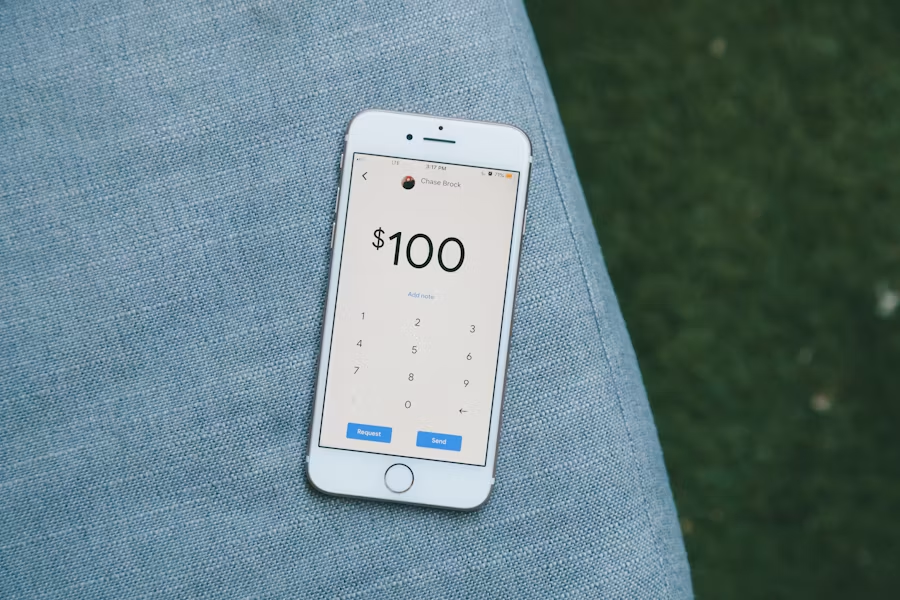
The savings from a no-spend challenge only matter if you actually save them — not if they just disappear into other spending. Before the challenge starts, set up an automatic transfer to move saved money out of your checking account.
Priority order for the savings:
- $500 emergency starter fund if you don’t have one. This should take priority over everything else.
- High-interest debt payoff (credit cards above 15% APR). The savings rate you get from eliminating 20-25% interest is unmatched.
- Full emergency fund (3 months of expenses). The most valuable financial buffer you can build.
- Student loans or other debt once the emergency fund is in place.
See building your emergency fund for exactly where to put these savings so they earn 4-5% while you build toward your goal. And if a $1,000 target is your next milestone, save $1,000 in 3 months combines a no-spend approach with other savings tactics into a 90-day plan.
FAQs
What is the no spend challenge?
A no spend challenge is a deliberate financial reset where you commit to spending money only on absolute necessities for a specific period — usually 7 or 30 days. Non-essential spending is paused completely: no dining out, no delivery, no impulse purchases, no new clothing, no entertainment purchases. Essentials like rent, utilities, groceries, and medications are still paid as normal.
How much money can I save from a no spend challenge?
The amount depends on your current discretionary spending. Based on Bureau of Labor Statistics data on average spending for adults under 35, a 7-day challenge typically saves $80-250. A 30-day challenge saves $300-800. People who frequently use food delivery, shop online regularly, or eat out more than twice per week tend to see the highest savings.
Can I still buy groceries during a no spend challenge?
Yes. Basic grocery shopping is allowed and essential. The grocery restriction is that you buy food to cook at home — not prepared meals, premium specialty items, or restaurant meals. A practical approach: do one larger grocery run at the start of the week so you have everything you need without multiple small trips. The goal is home cooking, not food deprivation.
What happens if I slip and spend money on something not allowed?
Continue the challenge. One purchase doesn’t disqualify everything that came before it or everything that comes after. Note what triggered the slip, decide how to handle that situation differently, and pick up the challenge the next day. The value of 26 clean days out of 30 is dramatically higher than zero — don’t let one slip become an excuse to stop.
How do I handle a no spend challenge if I have a social life?
Plan alternatives in advance. Suggest free or low-cost activities to friends before they suggest expensive ones. Cook dinner and host at home instead of going out. Allow a small social allowance ($20-30) for unavoidable situations like work events rather than enforcing a total ban. The challenge is about stopping unconscious spending, not eliminating your social life.
The Bottom Line
A no spend challenge works because it removes the decision from each individual purchase. Instead of choosing whether to order delivery tonight, you already decided a week ago that delivery is off the table. That pre-commitment is what makes it effective where willpower-based approaches typically fail.
Start with the 7-day version. Write your rules before Day 1. Stock your kitchen. Move the money you save somewhere specific. By day 7, you’ll have a clear picture of how much your autopilot spending costs you — and a realistic sense of whether the 30-day version is worth doing.
For the broader toolkit of saving money beyond the challenge, save money fast covers the tactics that produce the most impact month over month. And if you haven’t built your budget foundation yet, how to make a budget at 20 is the right starting point before any saving strategy can fully work.
Sources
1. Consumer Financial Protection Bureau — building savings
2. Bureau of Labor Statistics — Consumer Expenditure Survey
3. American Psychological Association — behavior change research